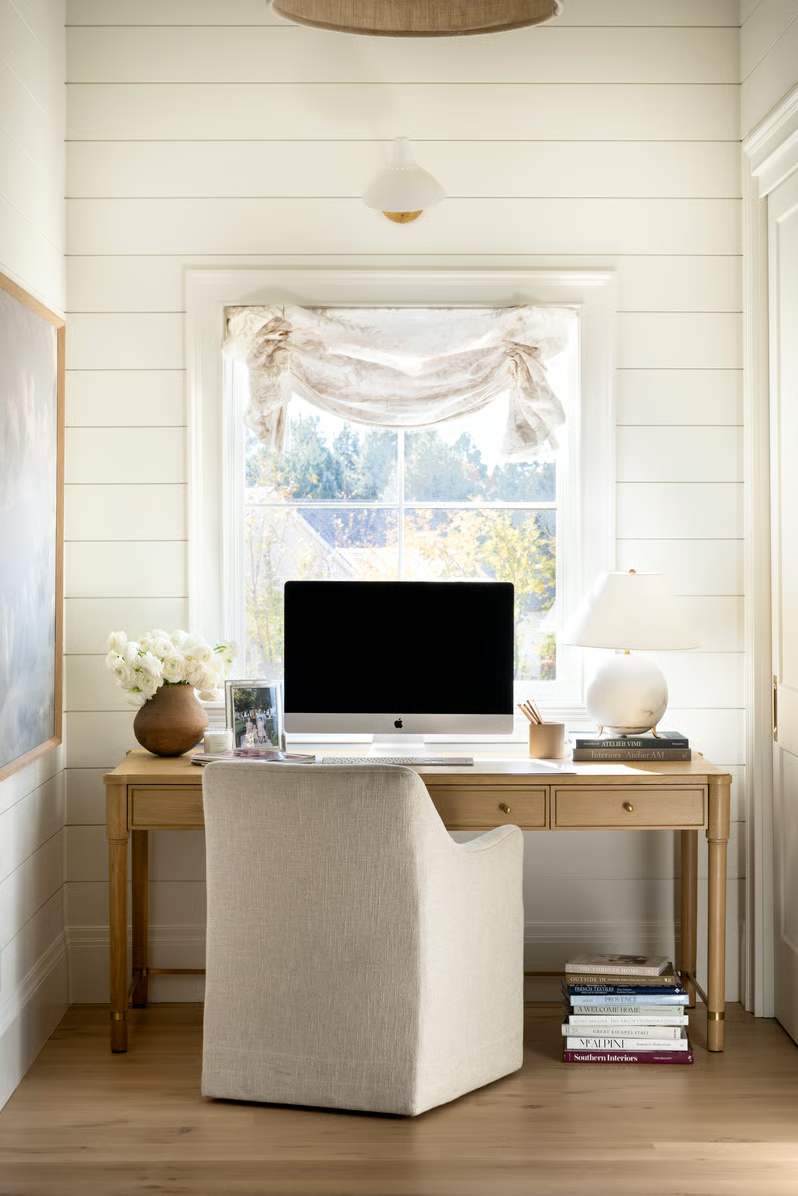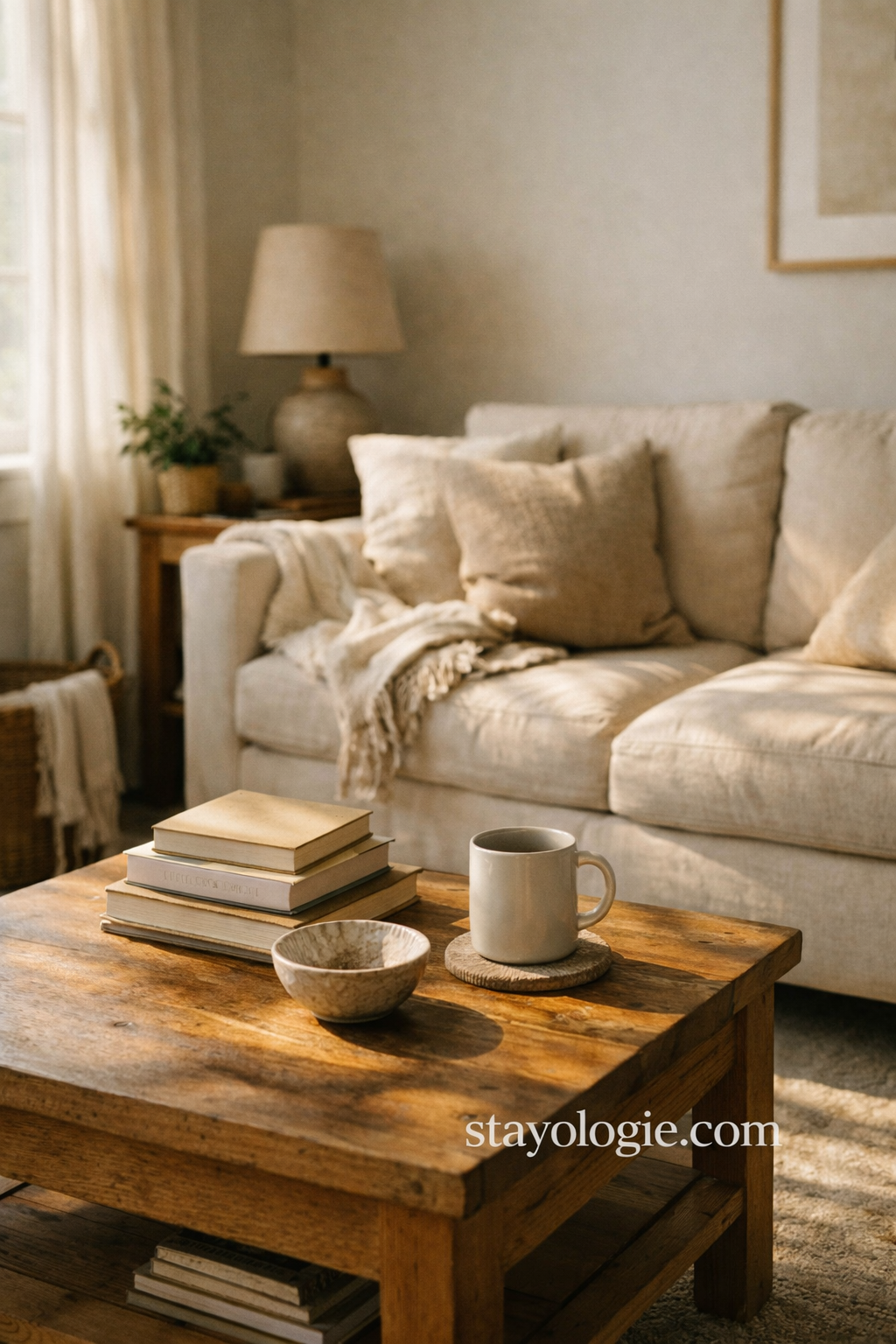
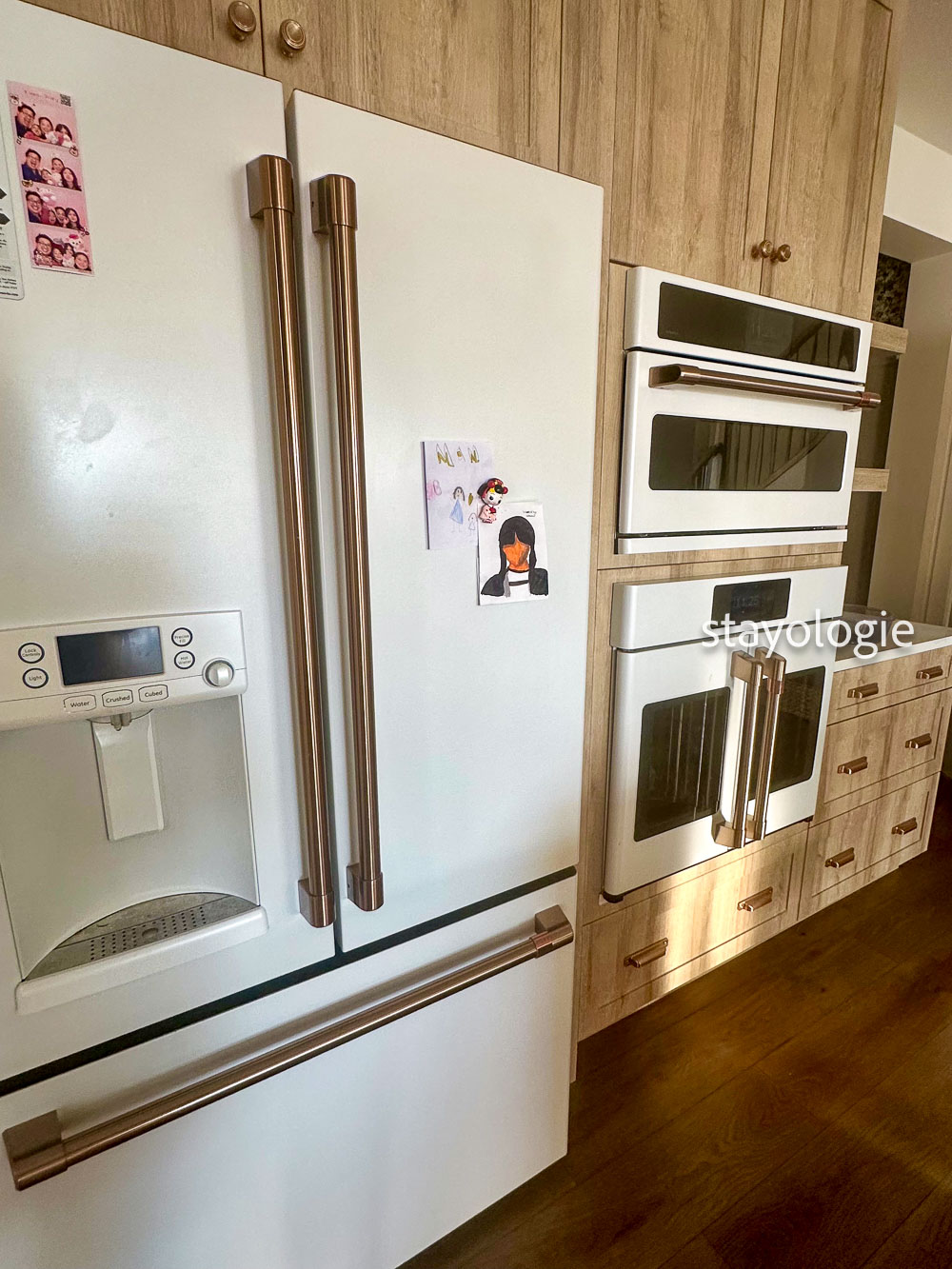
There’s a moment most of us quietly wait for after moving in or refreshing a space —
the moment when everything finally feels done.
The furniture is in place.
The walls are painted.
The room looks good from every angle.
And yet… something still feels unfinished.
Because what makes a house feel like home isn’t how it looks —
it’s how it holds you.
A home doesn’t arrive all at once.
It settles in slowly, through repetition, familiarity, and ordinary days layered gently over time.
This idea is part of the same philosophy at the heart of The Art of Making a Home — that home isn’t a final design; it’s a way of living.
Familiarity Over Perfection
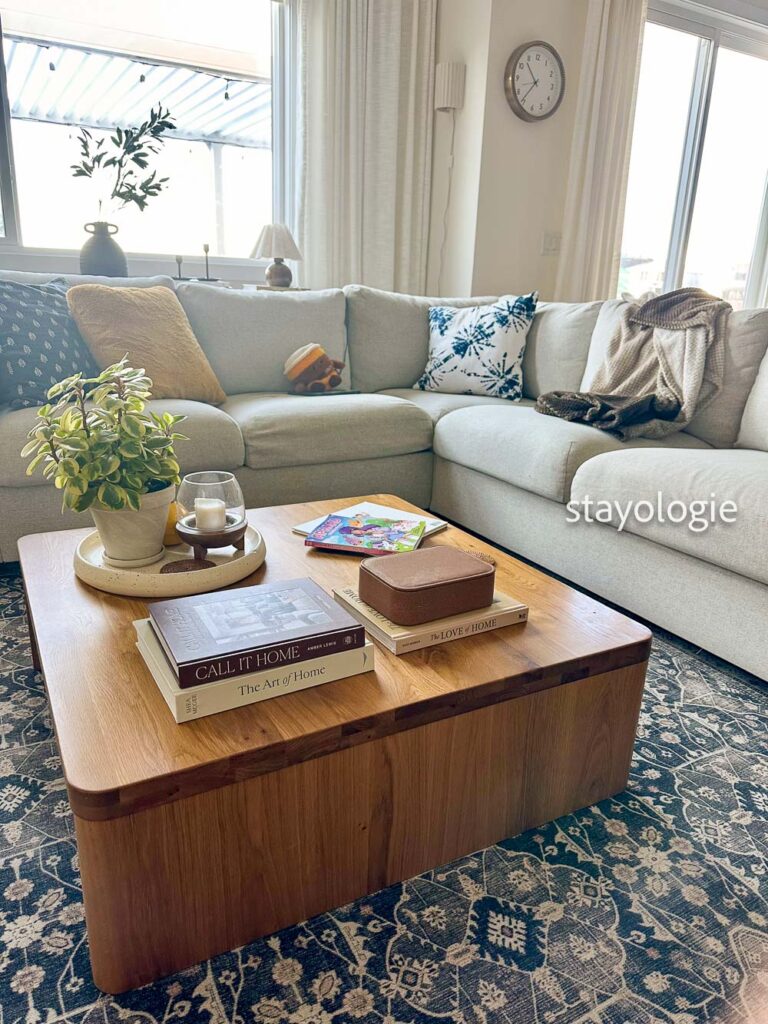
Some of the most comforting homes aren’t the most polished ones.
They’re the spaces where you know exactly where to sit without thinking.
Where your shoulders drop the moment you walk in.
Where nothing feels staged — but everything feels known.
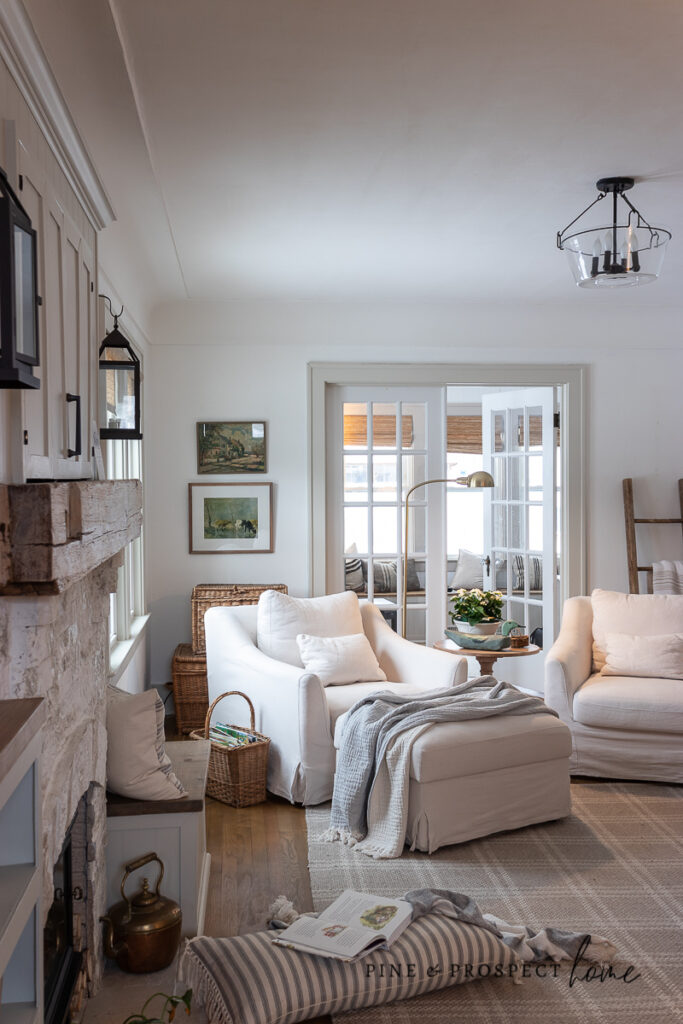
It’s the cushion that never quite fluffs back the same way.
The throw that lives on the sofa because someone is always cold.
The stack of children’s books that never quite makes it back to the shelf, and the toys that quietly migrate to the living room — because this is where life actually happens.
The coffee table with a water ring you stopped apologizing for, not because it’s perfect, but because it proves you’ve been here.
Perfection asks you to perform.
Familiarity invites you to stay.
This way of thinking sits at the heart of the art of making a home — the idea that home isn’t something you complete, but something you slowly grow into.
Repetition Creates Comfort
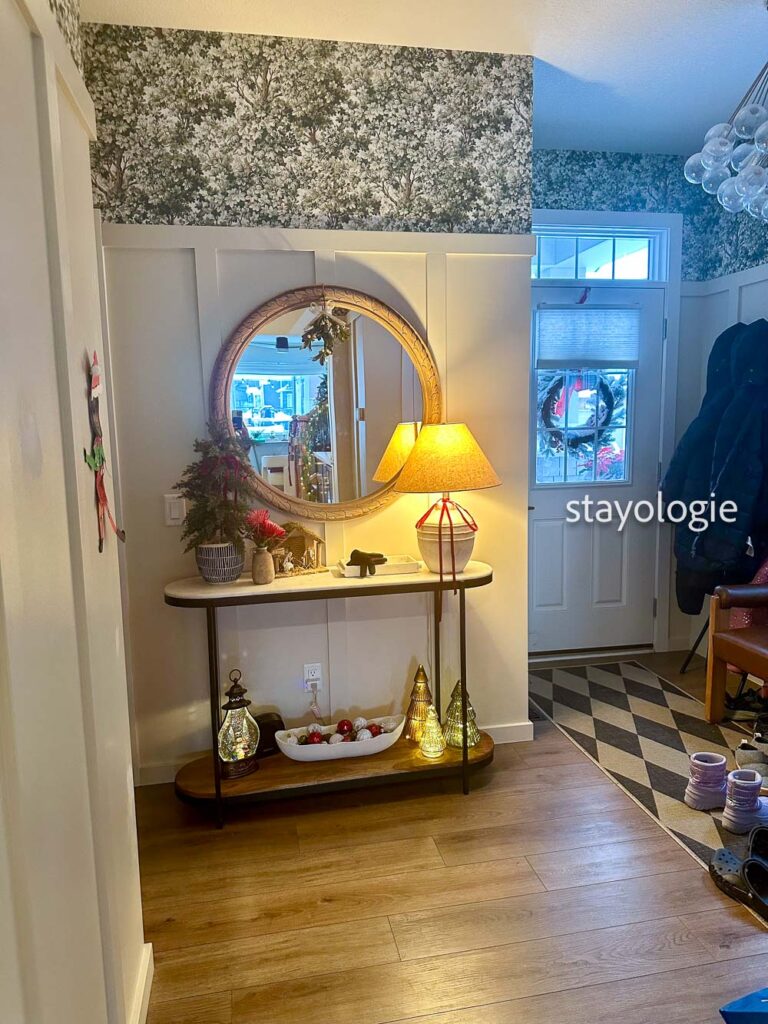
What makes a house feel like home is rarely one big moment — it’s hundreds of small ones repeated.
The same mug each morning.
Keys dropped in the same place without thinking.
The light switched on at dusk, not for ambiance, but because it’s time.
Over time, these rhythms soften a space. They teach your home how to support your life — not just display it.
This philosophy shows up most clearly in the everyday ways we live at home — in how spaces function quietly and reliably in the background. You’ll find more of this lived-in approach throughout Living Well at Home, where flow and real life matter more than how things photograph.
Emotional Anchors Matter More Than Decor
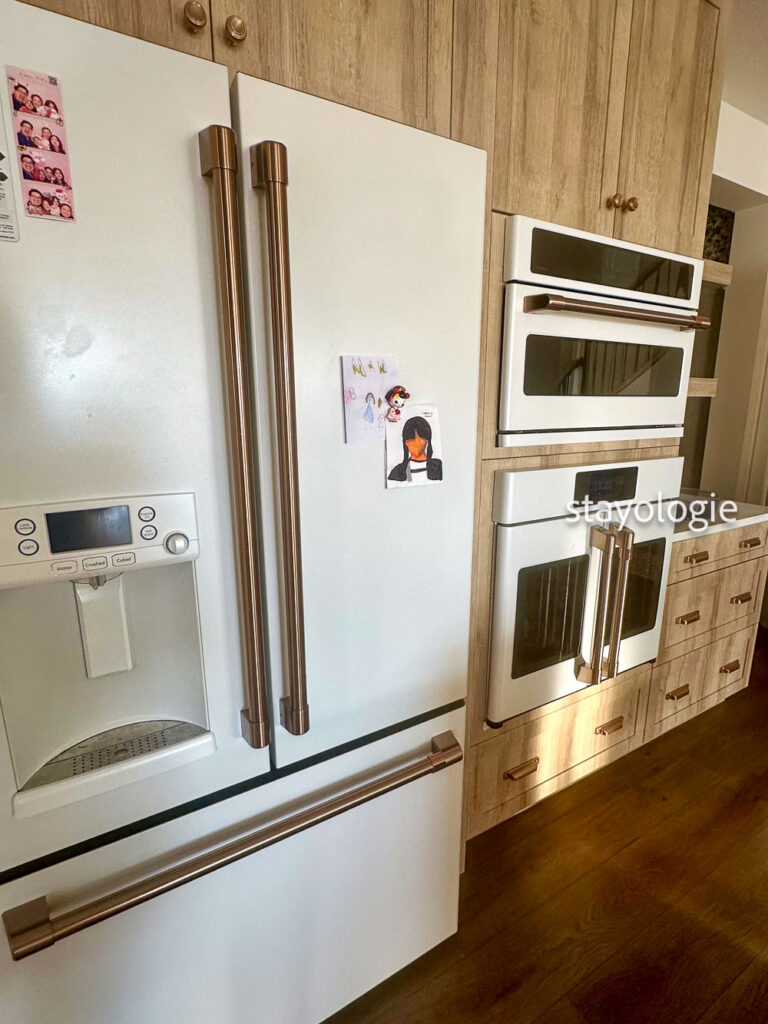
The things that give a home its weight aren’t always the most beautiful.
They’re the objects that stayed.
The items chosen out of need, not trend.
The quiet reminders of who lives here — and who has lived here before.
Children’s drawings held up by mismatched magnets.
A chipped mug you refuse to replace.
A piece of furniture that’s followed you from room to room, never quite matching but always belonging.
These are emotional anchors. And they’re what quietly transform a house into a place of belonging.
The Quiet Shift From Setting Up to Living In
At some point, something changes.
You stop thinking of your house as a project.
You stop asking what it needs next.
You stop waiting for it to feel complete.
Instead, it starts feeling yours.
Not because it’s perfect —
but because it’s familiar.
Because it knows your habits.
Because it reflects your life as it is, not as it’s supposed to look.
Often, it’s not a dramatic overhaul that creates this shift — just a few thoughtful adjustments that support how you already live. That’s the idea behind Small Changes, Big Impact: subtle updates that change how a home feels without asking it to become something else.
If your house doesn’t feel like home yet, it doesn’t mean you’re behind.
It just means you’re still living your way into it.
Want More Quiet Home Insights?
Once you’re living into your home more, you might enjoy discovering seasonal, calm ways to enhance life-at-home without pressure:
- The Gentle Winter Home Reset (No Decluttering Burnout Required) — warm, intentional refresh without overwhelm.
- Explore more posts in Living Well at Home — everyday spaces designed for flow, comfort, and real life.